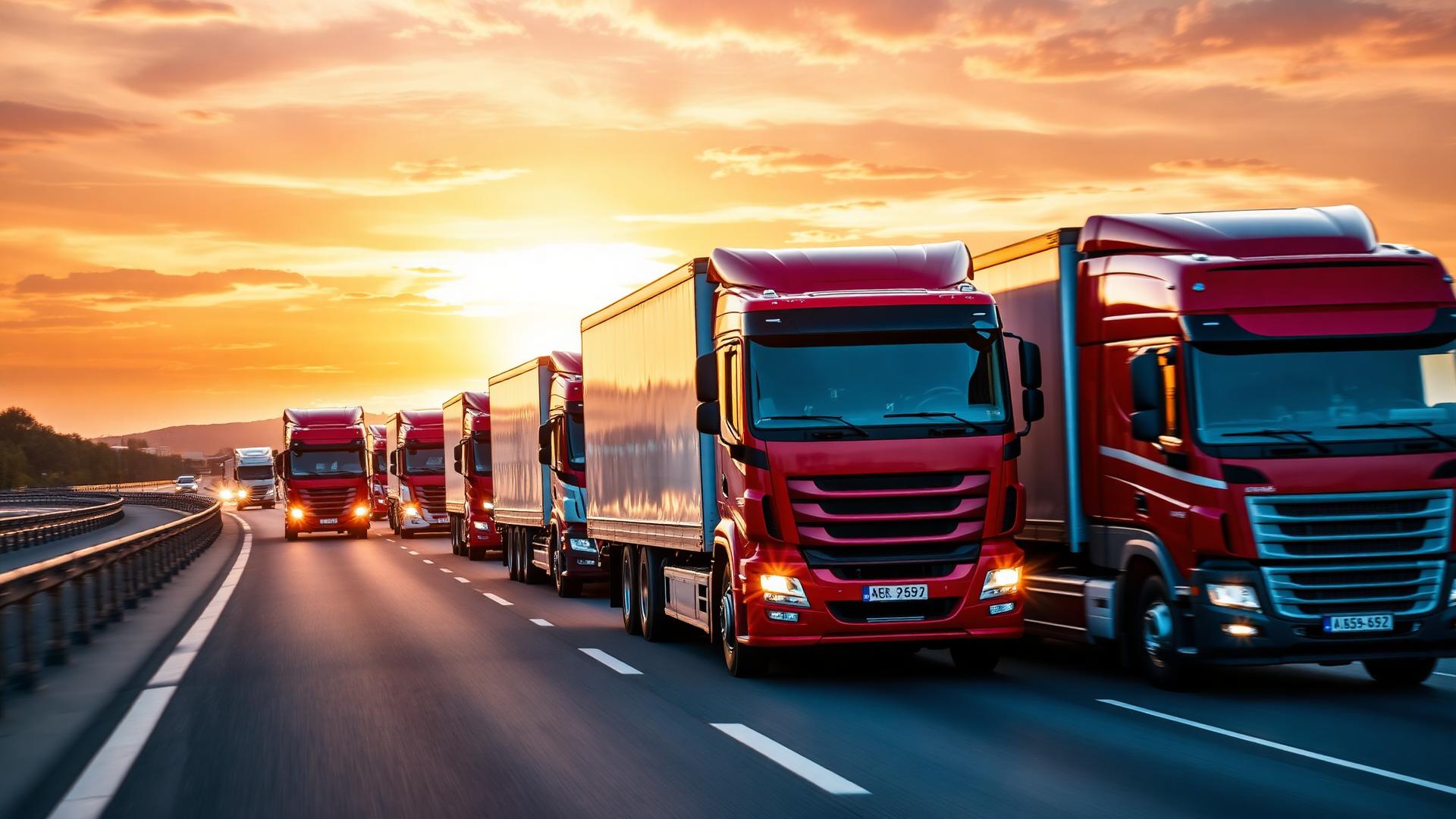
The Last-Mile Challenge
Last-mile delivery—the final leg of the shipping journey from a distribution center to the customer's doorstep—is often the most expensive and complex part of the logistics chain. Accounting for up to 53% of total shipping costs, last-mile delivery has become a critical battleground for logistics companies and retailers alike.
The challenge is multifaceted: urban congestion increases delivery times, failed delivery attempts waste resources, customer expectations for speed and flexibility continue to rise, and environmental concerns demand cleaner delivery methods. Successfully navigating these challenges requires innovation, technology, and a customer-centric approach.
Technologies Transforming Last-Mile Delivery
Route Optimization with AI
Advanced route optimization algorithms are revolutionizing delivery efficiency. By considering factors such as traffic patterns, delivery time windows, vehicle capacity, and customer preferences, AI-powered systems can reduce delivery times by 20-30% while lowering fuel consumption and emissions.
Machine learning models continuously improve their predictions as they process more data, making each delivery run more efficient than the last. Some systems can even predict traffic conditions and adjust routes in real time, avoiding congestion and minimizing delays.
Autonomous Delivery Vehicles
Autonomous delivery vehicles are transitioning from pilot programs to commercial operations. Small autonomous robots are being deployed for short-distance deliveries in urban areas, while autonomous vans and trucks are being tested for longer routes.
These vehicles operate 24/7, don't require breaks, and can make deliveries during off-peak hours when traffic is minimal. While regulatory frameworks are still evolving, the technology is rapidly maturing and costs are declining.
Drone Delivery
Drone delivery has moved beyond the experimental phase in many markets. Regulatory approvals are expanding, and companies are deploying drones for deliveries in suburban and rural areas where traditional delivery is expensive and time-consuming.
Drones are particularly effective for urgent deliveries of small, lightweight items such as medications, medical supplies, and critical parts. Their ability to bypass road congestion and reach remote locations makes them a valuable addition to the last-mile delivery toolkit.
Smart Lockers and Alternative Delivery Points
Not every delivery needs to go to the customer's doorstep. Smart lockers, pickup points, and in-store collection options give customers flexibility while reducing delivery costs and failed delivery attempts.
Smart lockers use secure, temperature-controlled compartments that customers can access with a code or app. These are particularly popular in urban areas where home delivery is challenging due to access restrictions or security concerns.
Customer Experience Innovation
Real-Time Communication
Modern customers expect proactive communication throughout the delivery process. SMS and push notification updates, live driver tracking, and accurate ETA predictions have become standard expectations. Companies that excel at delivery communication see higher customer satisfaction scores and fewer support inquiries.
Delivery Flexibility
Giving customers control over their deliveries—including the ability to reschedule, redirect, or choose specific time slots—reduces failed delivery attempts and improves satisfaction. Some companies now offer same-day delivery rescheduling and the ability to change the delivery location in real time.
Returns Management
The ease of returns has become a competitive differentiator. Companies are implementing doorstep pickup, drop-off at retail locations, and label-free returns to simplify the process. Efficient returns management not only improves customer satisfaction but also recovers value from returned products more quickly.
Sustainability in Last-Mile Delivery
Electric Vehicle Fleets
Many logistics companies are transitioning their delivery fleets to electric vehicles. EVs offer lower operating costs, zero tailpipe emissions, and quieter operation—an important consideration for urban deliveries. The declining cost of batteries and expanding charging infrastructure are making EVs increasingly viable for delivery operations.
Cargo Bikes and Micro-Mobility
In dense urban areas, cargo bikes and other micro-mobility solutions are proving to be faster and more efficient than vans. They can navigate congested streets, use bike lanes, and are exempt from many parking and access restrictions. Companies like DHL and UPS have deployed cargo bike programs in major cities with impressive results.
Consolidation and Crowdsourcing
Consolidating deliveries to reduce the number of trips is a simple but effective sustainability strategy. Some companies are also experimenting with crowdsourced delivery models, leveraging existing traffic flows to deliver packages more efficiently.
The Future of Last-Mile Delivery
The last-mile delivery landscape will continue to evolve rapidly. Key trends to watch include:
At QRS Express, we're at the forefront of last-mile innovation. Our technology-driven approach combines optimized routing, real-time tracking, and flexible delivery options to provide a superior customer experience while maintaining cost efficiency and sustainability.