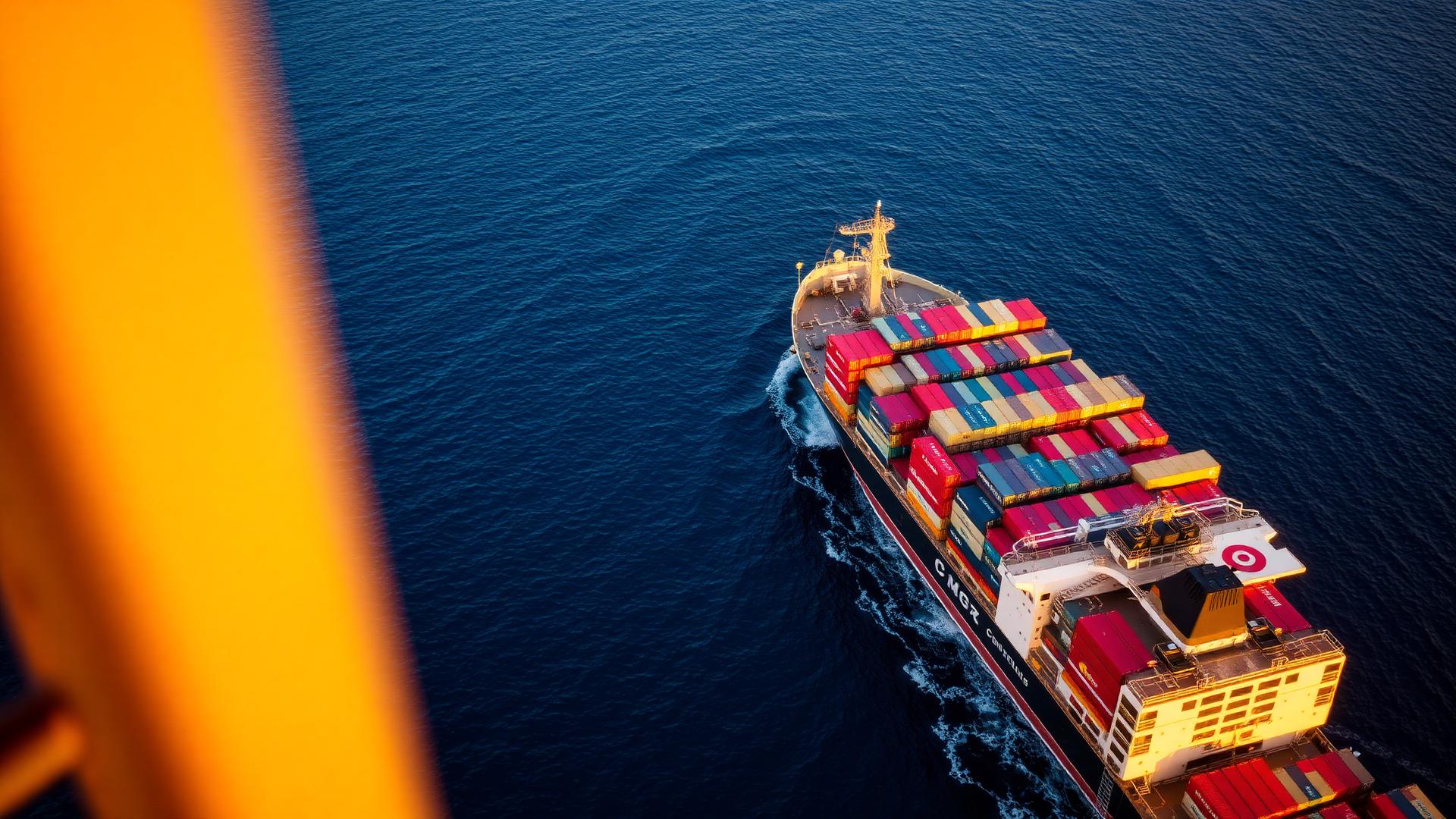
Understanding Ocean Freight
Ocean freight remains the backbone of global trade, carrying approximately 80% of the world's merchandise by volume. For businesses shipping large volumes of goods internationally, ocean freight offers the most cost-effective transportation option. However, navigating the complexities of ocean shipping requires a solid understanding of its key components, processes, and best practices.
Container Types and Options
Full Container Load (FCL)
FCL shipping involves renting an entire container for your exclusive use. This is the most cost-effective option when you have enough cargo to fill or nearly fill a container. Standard container sizes include 20-foot and 40-foot containers, with 40-foot high-cube containers available for voluminous but lightweight cargo.
FCL offers several advantages: lower per-unit shipping costs for large volumes, reduced handling (and therefore reduced risk of damage), faster transit times, and greater scheduling flexibility.
Less-Than-Container Load (LCL)
LCL shipping involves sharing container space with other shippers. This is ideal for smaller shipments that don't justify the cost of a full container. While LCL rates are higher per unit than FCL, the total cost is lower for small shipments.
LCL shipments are consolidated at the origin port and deconsolidated at the destination, adding time to the overall transit but making ocean freight accessible to businesses of all sizes.
Specialized Containers
For cargo with specific requirements, specialized containers are available:
Key Factors Affecting Ocean Freight Costs
Understanding the factors that influence ocean freight pricing is essential for cost optimization:
1. **Trade lane demand**: Shipping rates fluctuate based on supply and demand on specific routes
2. **Fuel costs**: Bunker fuel prices directly impact shipping rates
3. **Seasonal factors**: Peak shipping seasons (typically Q3-Q4) command higher rates
4. **Container type and size**: Specialized containers cost more than standard containers
5. **Port charges**: Handling fees vary significantly between ports
6. **Customs and compliance**: Documentation and clearance costs add to the total
7. **Insurance**: Cargo insurance rates depend on the value and nature of goods
Best Practices for Ocean Freight Shipping
1. Plan Ahead
Ocean freight requires advance planning. Transit times can range from 15 to 45 days depending on the route, plus time for customs clearance at both ends. Build sufficient lead time into your supply chain to avoid costly air freight alternatives.
2. Optimize Container Utilization
Maximize the use of container space by working with your logistics provider to optimize cargo stacking and arrangement. Poor container utilization means you're paying to ship empty space.
3. Choose the Right Incoterms
International Commercial Terms (Incoterms) define the responsibilities of buyers and sellers in international trade. Choosing the right Incoterms can significantly impact your total shipping costs and risk exposure. Common Incoterms for ocean freight include FOB, CIF, and DDP.
4. Insure Your Cargo
Marine cargo insurance is essential for protecting your investment. Carrier liability is limited, and the process of claiming against carriers can be lengthy and uncertain. Comprehensive cargo insurance provides peace of mind and financial protection.
5. Consolidate Shipments
If you regularly ship smaller quantities, consider consolidating shipments to achieve FCL volumes. This can significantly reduce your per-unit shipping costs and simplify logistics management.
Port Operations and Processes
Understanding port operations helps you anticipate and avoid delays. Key port processes include:
Working with an experienced freight forwarder like QRS Express can help navigate these processes efficiently and avoid costly delays.
Sustainability in Ocean Freight
The maritime industry is implementing significant changes to reduce its environmental impact. The International Maritime Organization (IMO) has set targets for reducing greenhouse gas emissions, and shipping lines are investing in cleaner fuels, more efficient vessels, and carbon offset programs.
As a shipper, you can contribute to sustainability by choosing carriers with strong environmental credentials, optimizing shipment consolidation, and considering slower but more fuel-efficient shipping options when time permits.
How QRS Express Can Help
Our ocean freight services provide comprehensive support for your international shipping needs. From FCL and LCL services to specialized cargo handling, our global network of port agents and carrier partnerships ensures reliable and cost-effective ocean freight solutions. Contact us for a customized shipping solution tailored to your specific requirements.